

Journals of Joy
A collection of stories and reflections on living with intention in a digital world. From classrooms to communities, these voices share what it means to choose joy over distraction.
Discover stories that inspire balance, purpose, and digital well-being.
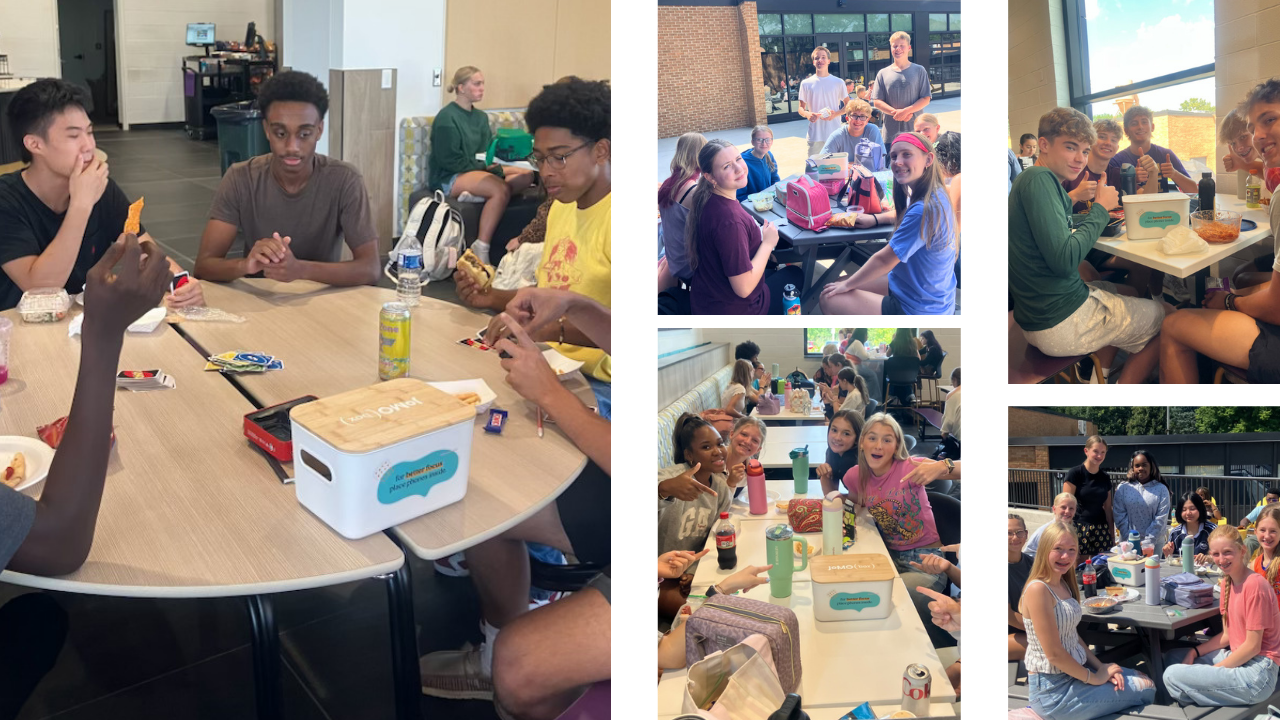
How Chicago Christian School is Getting Students Off Their Phones at Lunch
When Chicago Christian School noticed phones taking over the lunchroom, they tried something different. See what’s already getting students talking again, and discover how your school can move beyond phone policies at our upcoming free webinar.

Teaching and Leading Wisely in a World of AI
AI is changing education quickly, raising important questions about how Christian schools can respond with wisdom, discernment, and purpose. JOMO(campus) is helping schools move beyond AI policies to form students who can navigate technology faithfully and wisely. Through a new partnership with educator and Wise AI author Paul Matthews, JOMO(campus) is also equipping educators to lead well in a world of AI.
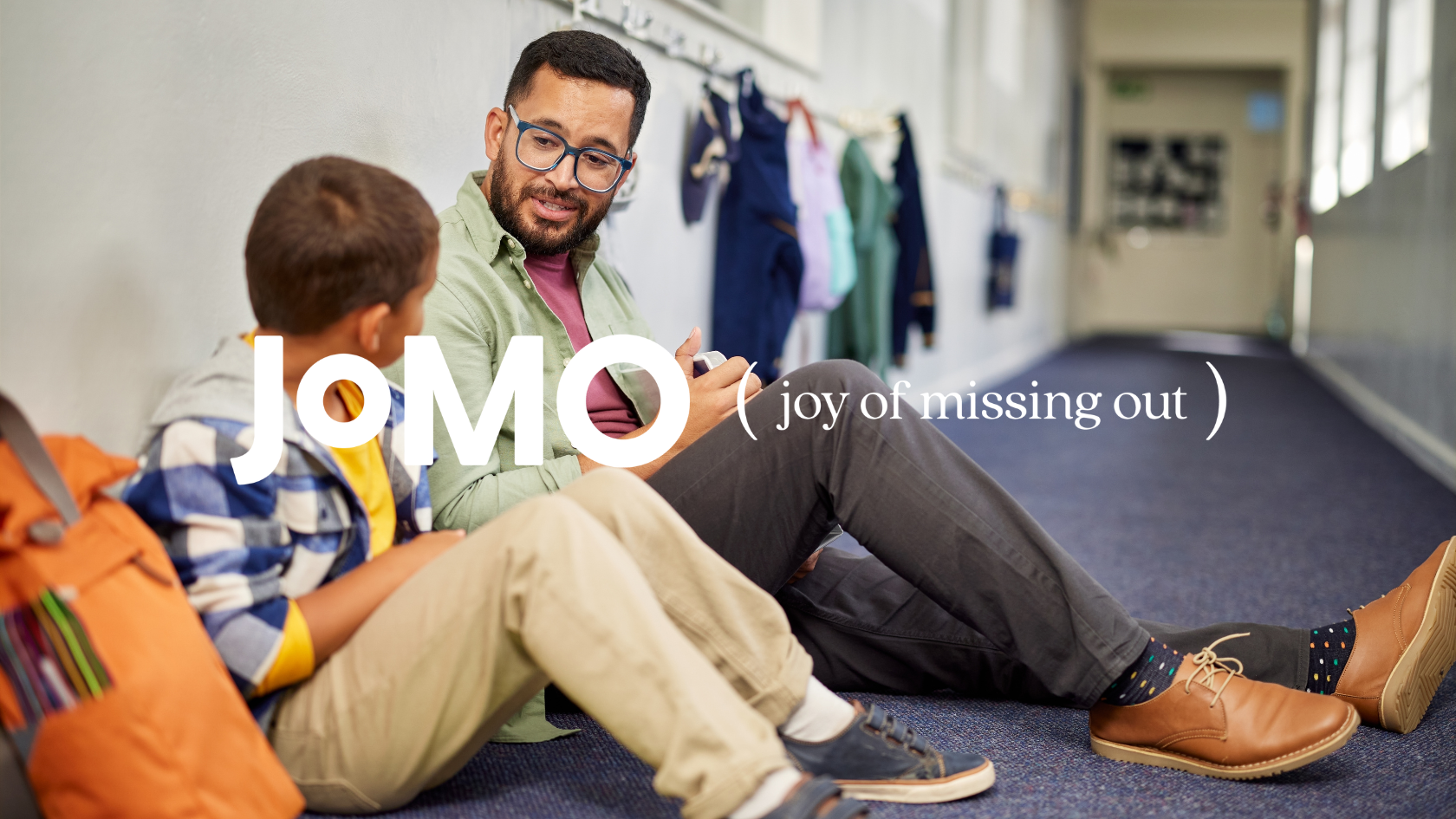
From Values to Virtues: Deepening the Christian Formation at the Heart of JOMO
What if the goal of digital wellness isn't simply helping students make better choices—but helping them become more like Christ? In this blog, our founder, Christina Crook, shares how JOMO's vision is growing from values-based digital habits to a richer framework of virtue formation, inviting Christian schools to see technology through the lens of discipleship.
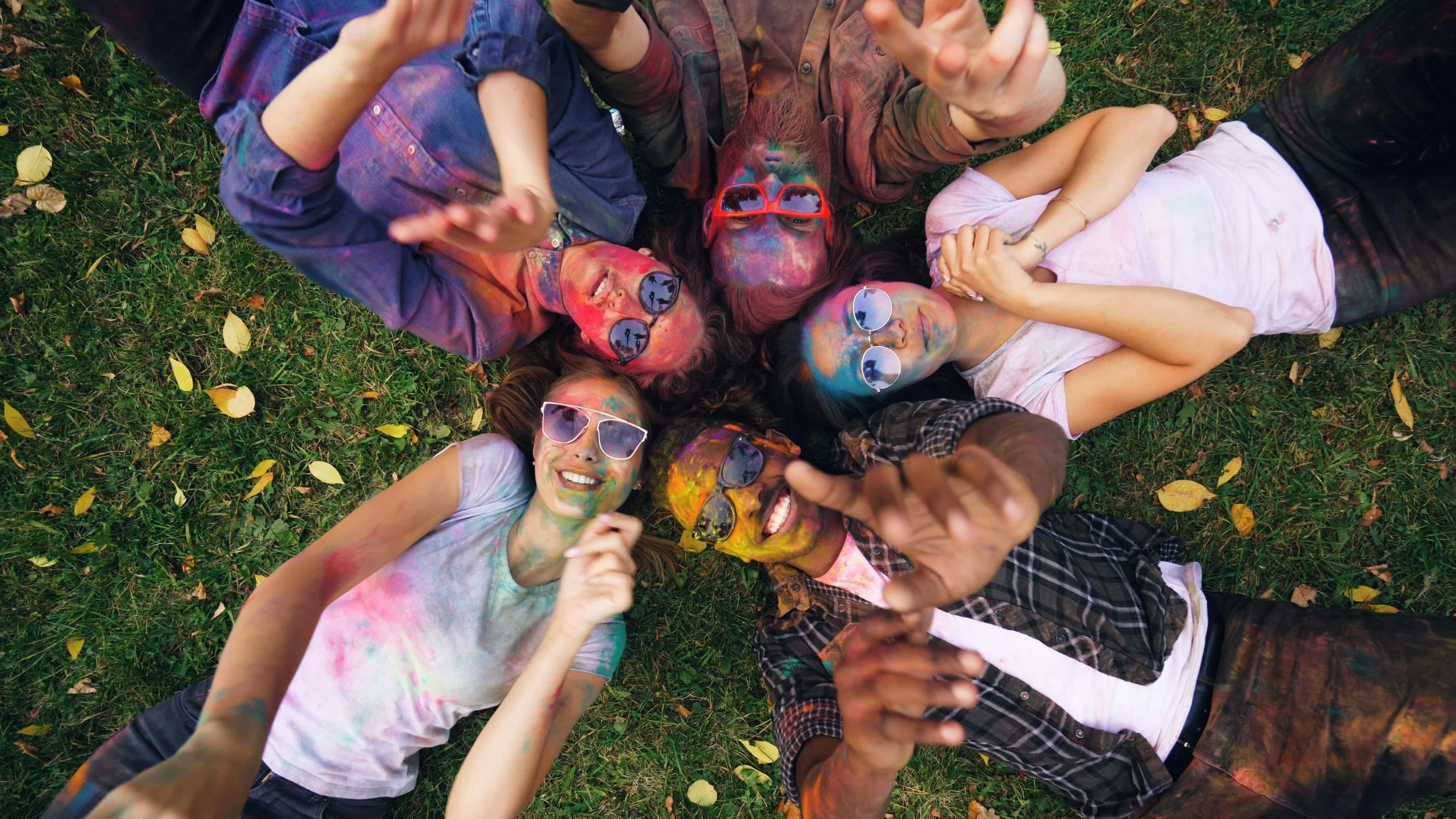
4 Tips for Students to Make the Most of Their Summer
From sentimental goodbyes to much-needed rest, summer is full of transition. Sarah offers four meaningful ways for students reflect as the season begins—and reminds us that summer is yours to define.
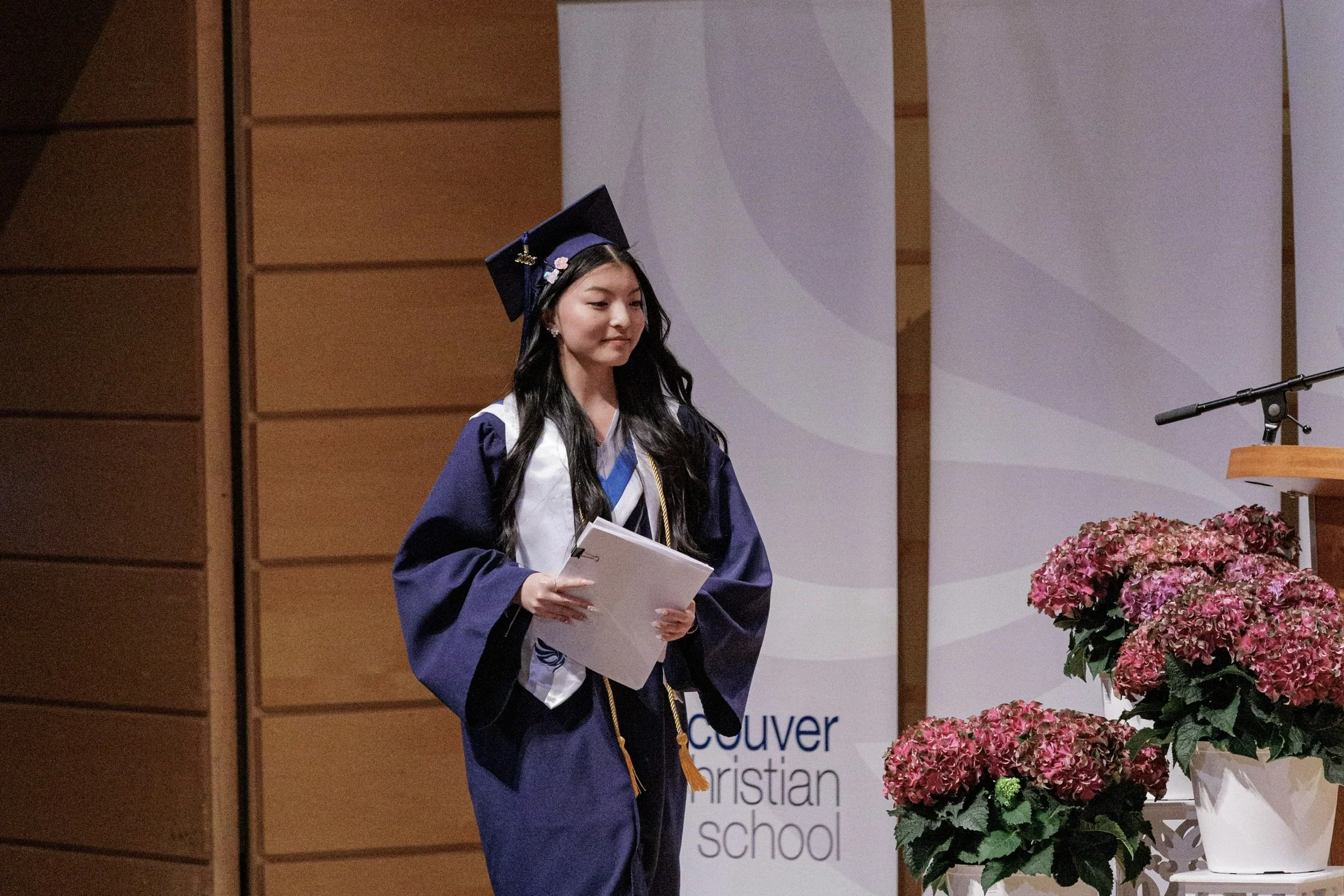
School’s Out…What Now?
The end of school feels like a finish line—but it’s really an invitation. Katie reflects on graduation and why summer is too short to spend glued to a screen—and how choosing play, rest, and real moments makes this season unforgettable.

3 Tips for Staying in Touch With Friends During Summer Break
When school ends, staying connected suddenly takes more effort. Sarah shares 3 simple tips for maintaining friendships over the summer—and reflects on how being intentional with time and technology can help relationships stay strong.
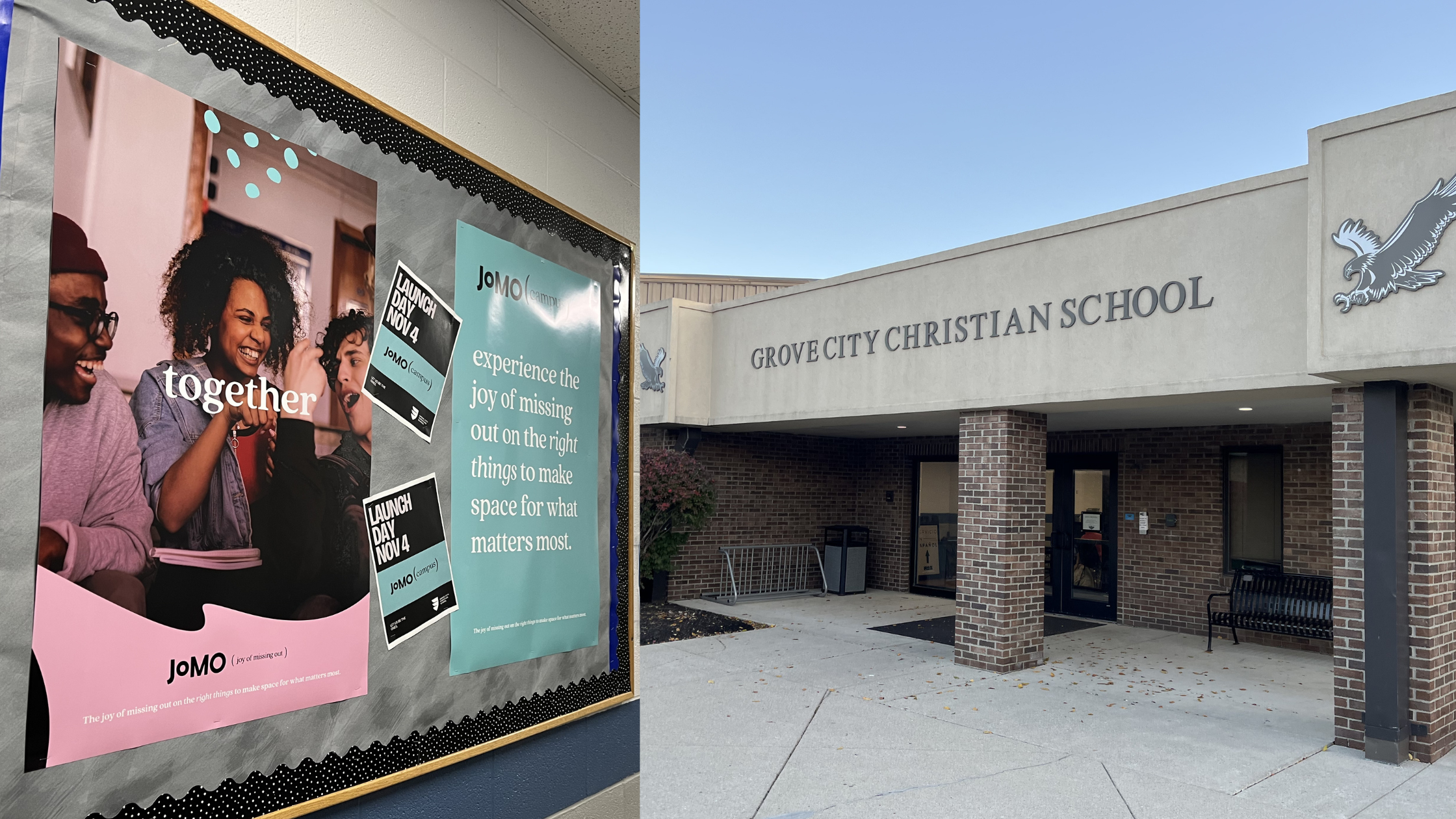
“They’re Being Kids Again”: How Grove City Christian is Rebuilding Community Through Digital Formation
The schools making the biggest impact on student digital formation right now aren’t asking: How do we manage devices? They’re asking: What kind of culture are we building?
Grove City Christian School shares how their partnership with JOMO helped transform their school culture, from more interactive lunchrooms to healthier staff boundaries and stronger student relationships.
You’re Not Falling Behind: When it Feels Like Everyone Else Has it Together
If school feels heavy and your brain won’t slow down, this one’s for you. Katie talks about imposter syndrome and the pressure of comparison, and reminds us that moving at your own pace doesn’t mean you’re falling behind.
From Policy to Digital Formation: How Alberta Schools are Shaping Healthier Digital Cultures
Less about restriction. More about formation. See how Alberta schools are building healthier, more intentional digital cultures with JOMO.
Why Stewardship Actually Matters
From schoolwork to friendships to the planet itself, we’re all responsible for something. Sarah reflects on how stewardship helps shift our mindset from “this is mine” to “this is ours”—and why doing your part helps everyone thrive.
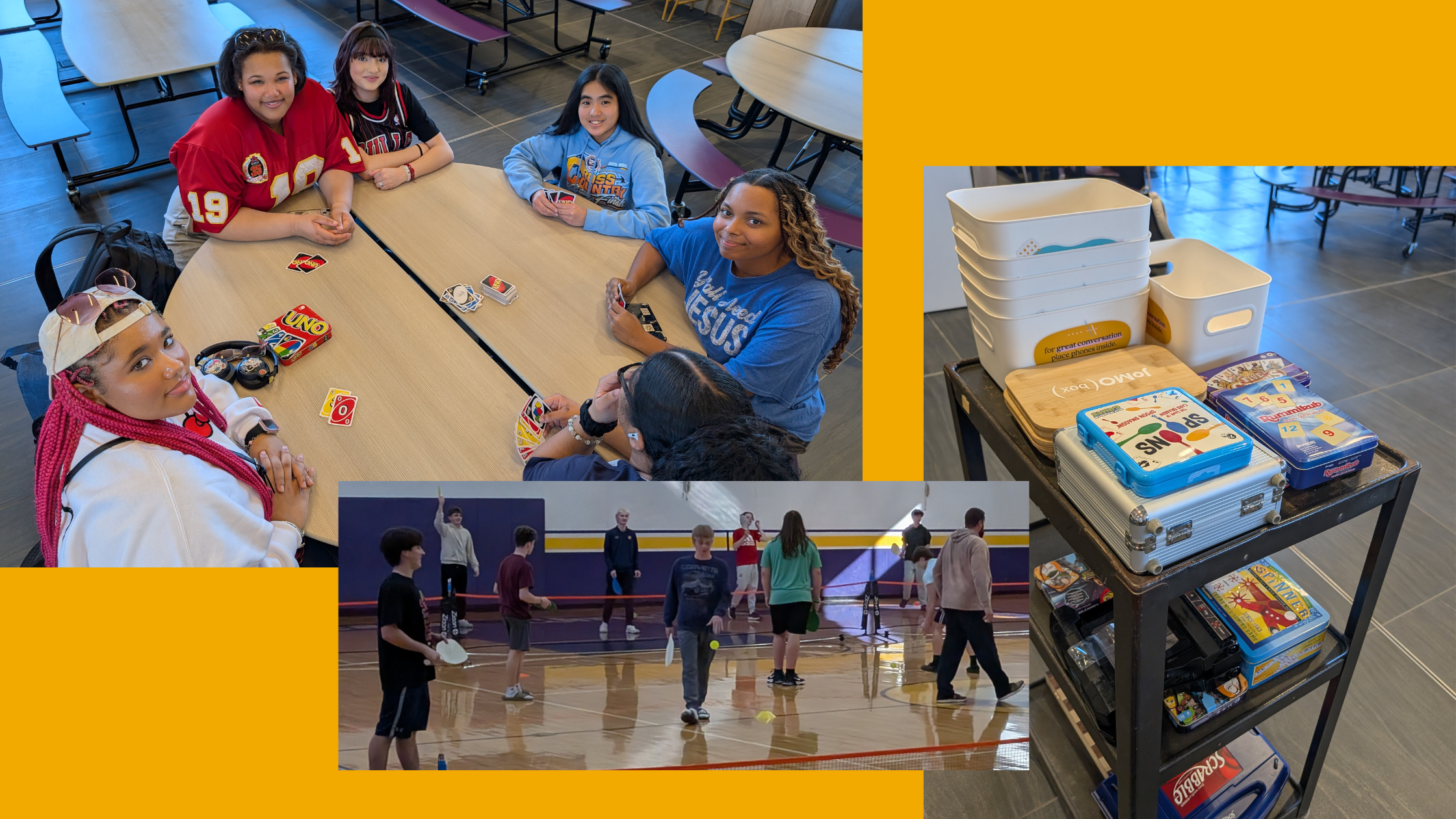
How Chicago Christian High is Bringing Connection Back to Campus
How a JOMO school in Ontario is using the JOMO(campus) program to move from digital distraction to meaningful connection.
Easter: A Living Hope and a Thankful Heart
Easter is more than a long weekend—it’s a reminder of renewal, hope, and gratitude. In this blog, Katie reflects on how Easter invites us to slow down, recognize the blessings in our lives, and care for what’s been entrusted to us with thankful hearts.
Remember What You Love to Do
Spring has a way of waking things up—including the creativity we put on hold. Sarah shares how one Instagram scroll reminded her of a hobby she loved, and why creating something of your own can bring way more joy than endless consumption.
Why Schools Need Digital Formation, Not Just Filters
Why JOMO(campus) is the digital wellness program Christian schools have been waiting for. A parent’s perspective.
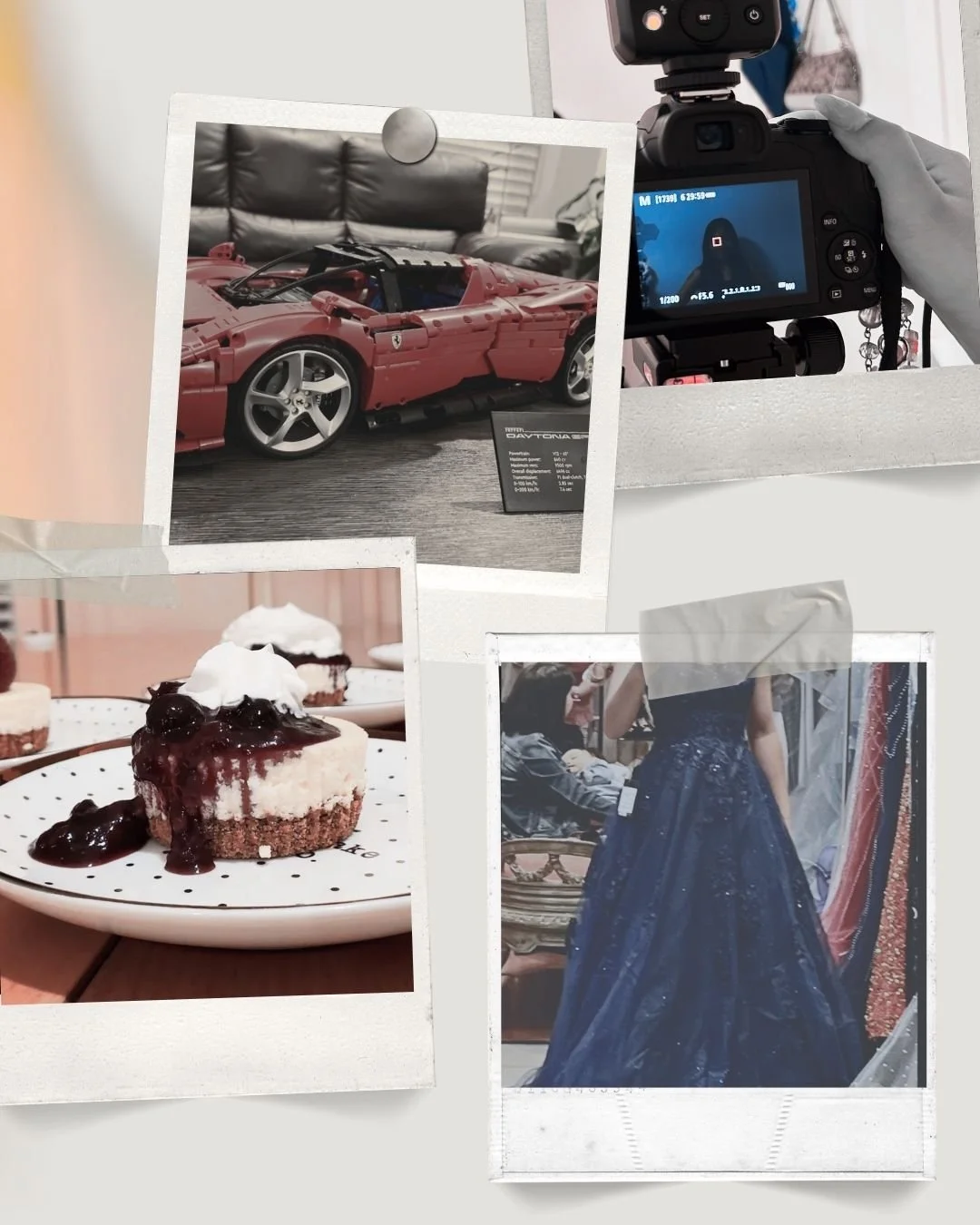
Creating > Consuming (and Here’s Why)
Scrolling is easy, but creating hits different. Katie shares how her friends’ hobbies—from baking to building model cars—show that making something can boost your mood, your brain, and your sense of joy.
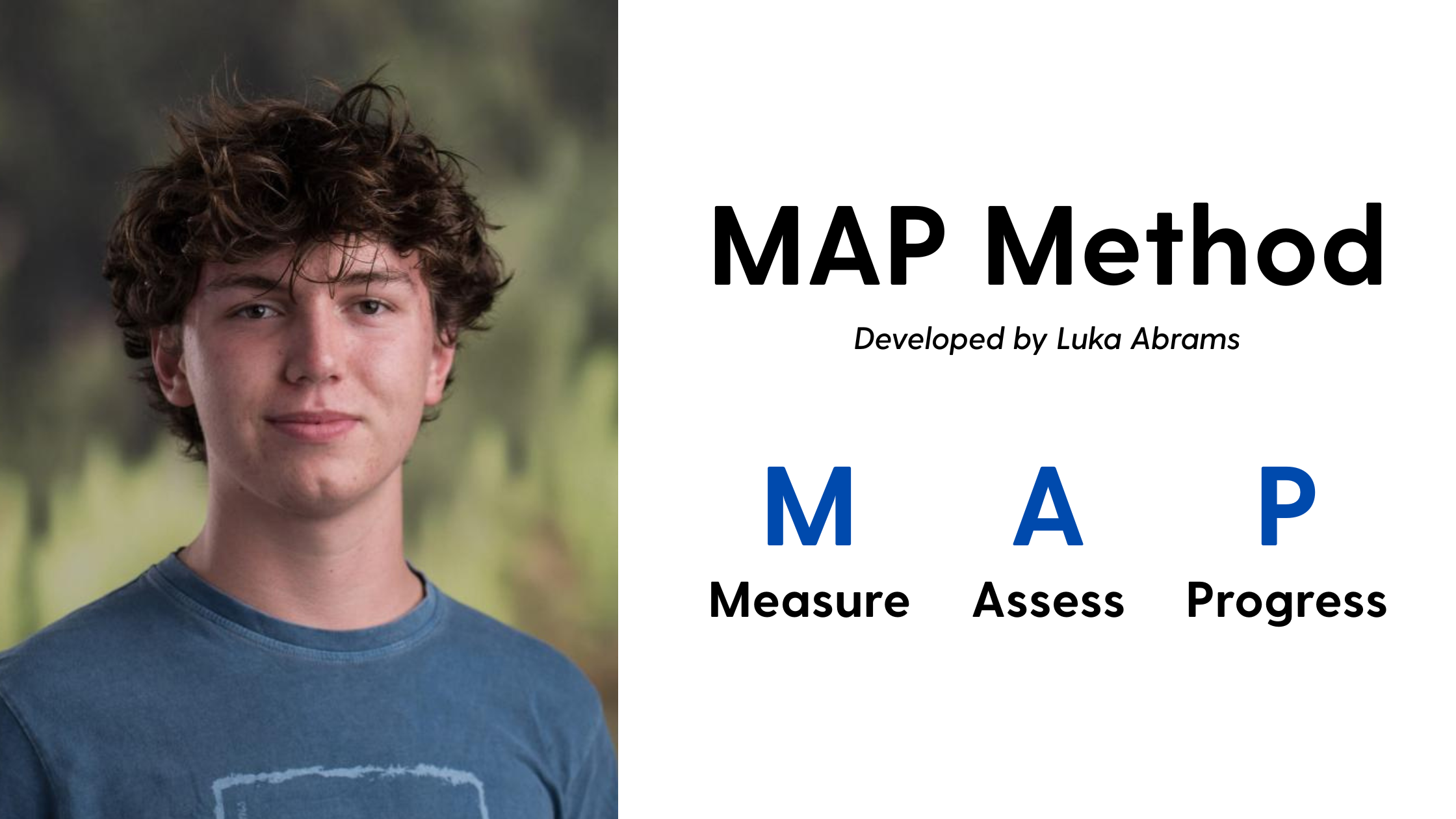
How A Teen Broke His Scrolling Habit and Created the MAP Method
Last year, Luka, a high school senior, realized that at the pace he was scrolling TikTok, he would lose 18 years of his life—to nothing. Nothing he could point to, nothing that mattered. Instead of shrugging it off, Luka designed a way out: the MAP Method. His simple framework helps students measure, assess, and plan their digital habits with more intention.
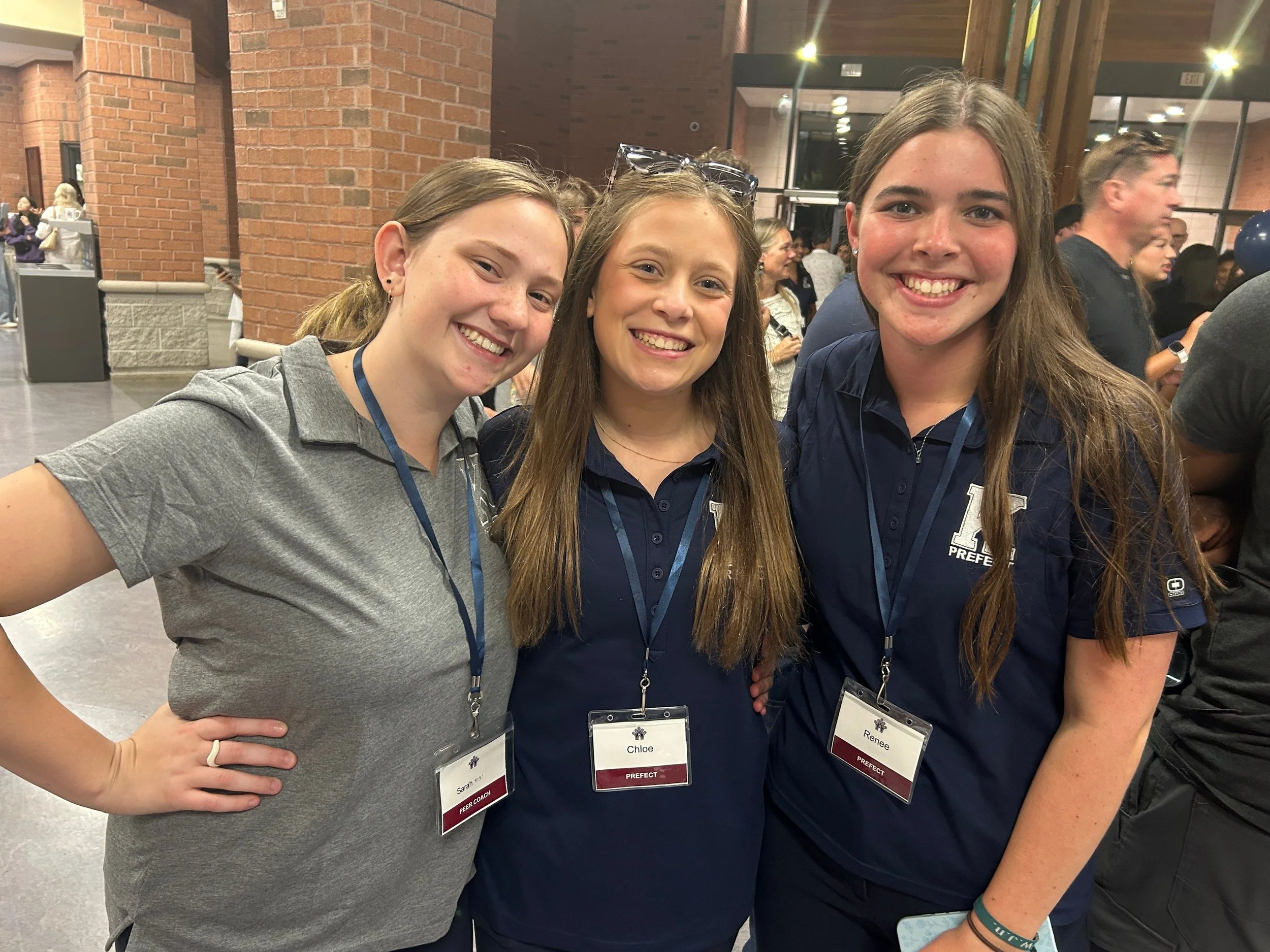
3 Reasons Why Making Real-Life Connections Matters in School
We’re more connected than ever, yet many students still feel disconnected. Sarah explores what true belonging looks like in high school and how creating community—not just consuming connection—can improve motivation, mental health, and everyday school life.
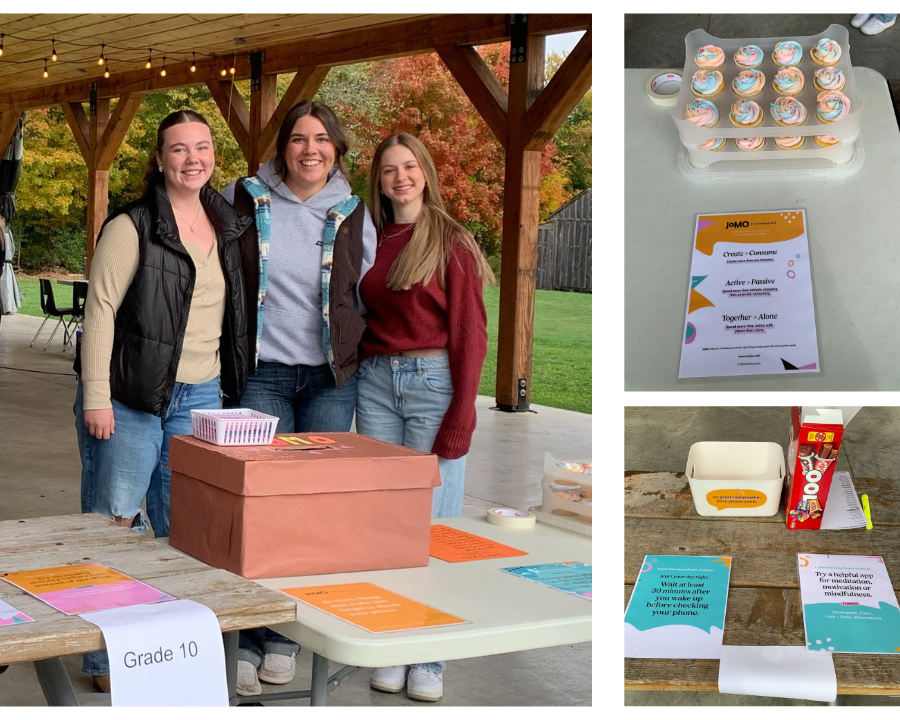
JOMO IRL: A Story from Woodland Christian High
How a JOMO school in Ontario used our digital well-being program for big impact!
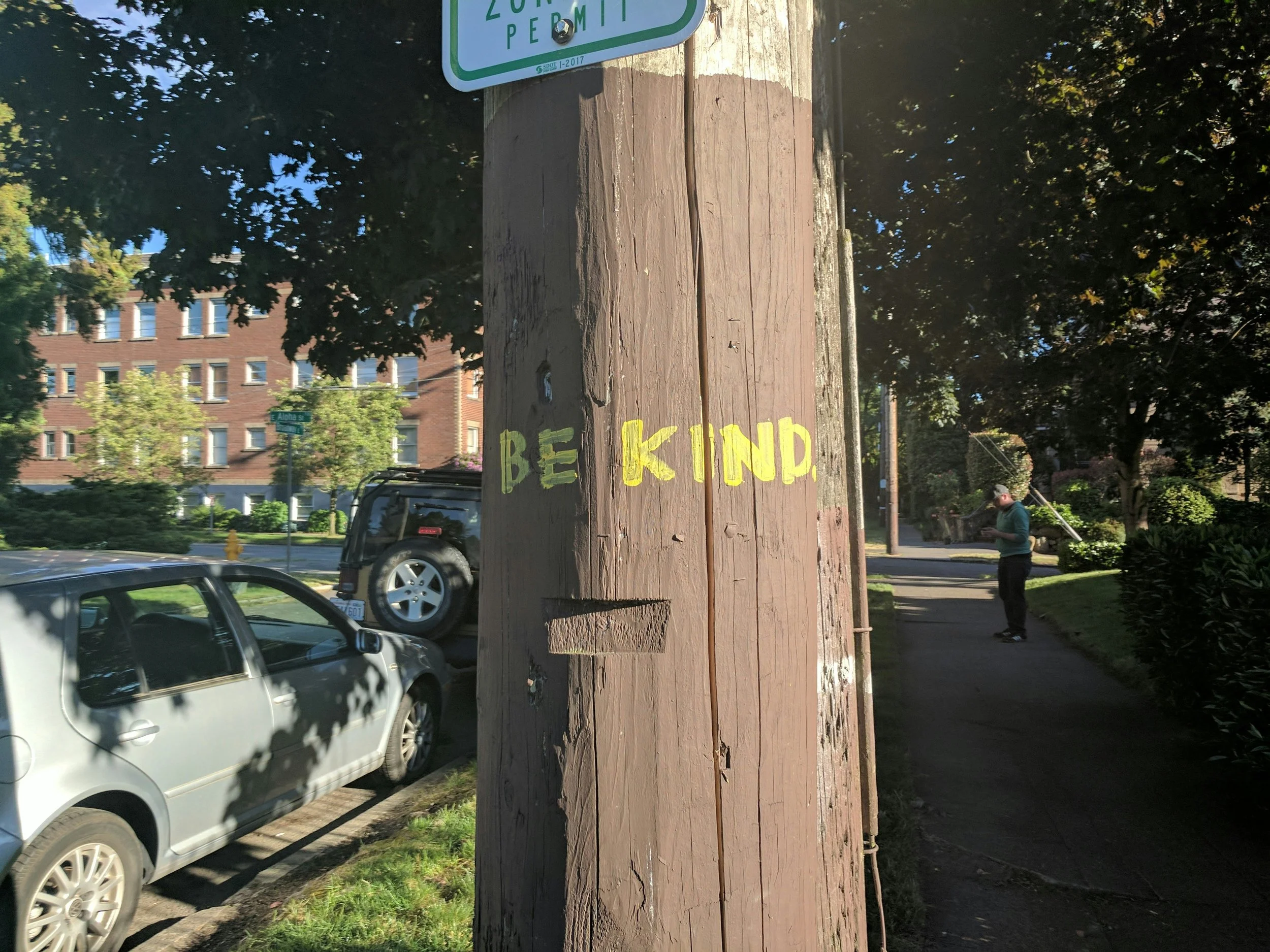
Embracing Random Acts of Kindness Day
Some moments stay with us forever. Katie reflects on small acts of kindness that left a lasting impact and why Random Acts of Kindness Day is a reminder that even the simplest gestures can change how someone experiences the world.
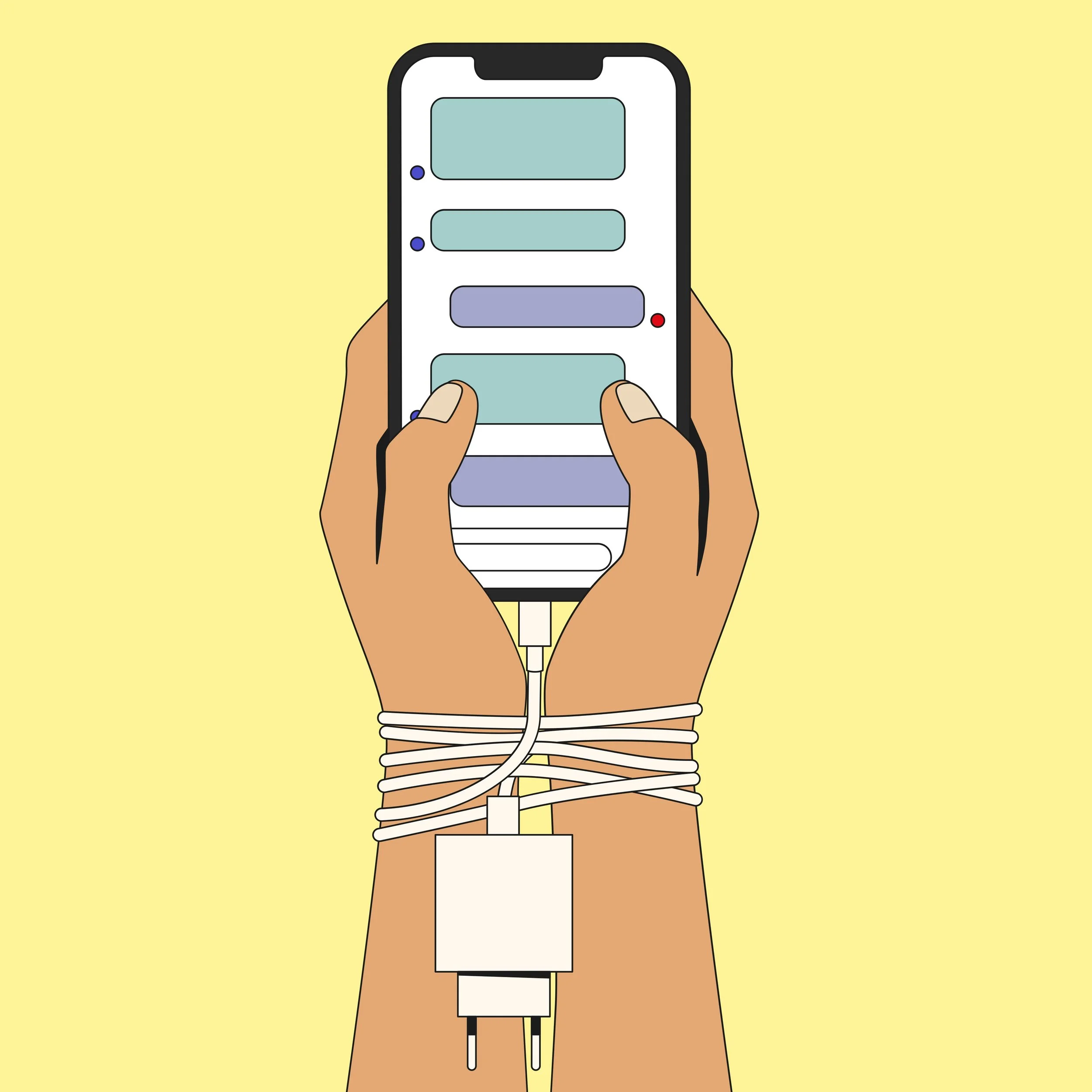
I Tried a Digital Detox… and It Changed More Than I Expected
What started as a two-week digital detox turned into a complete mindset shift. Katie reflects on how stepping away from the scroll created more clarity, connection, and joy—and why starting small might be the most powerful reset of all.
Get a Free Resource
It all begins with an idea. Maybe you want to launch a business. Maybe you want to turn a hobby into something more. Or maybe you have a creative project to share with the world. Whatever it is, the way you tell your story online can make all the difference.