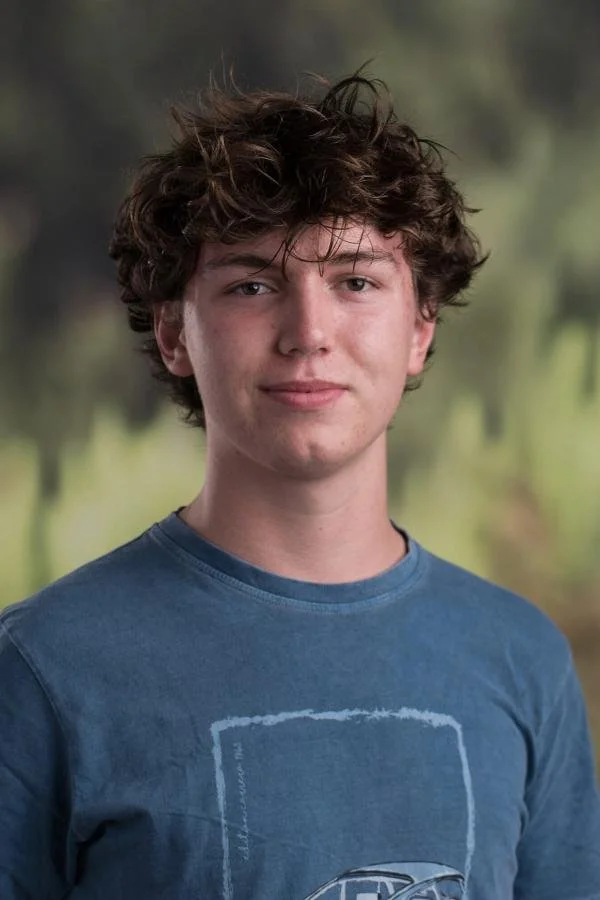
How A Teen Broke His Scrolling Habit and Created the MAP Method
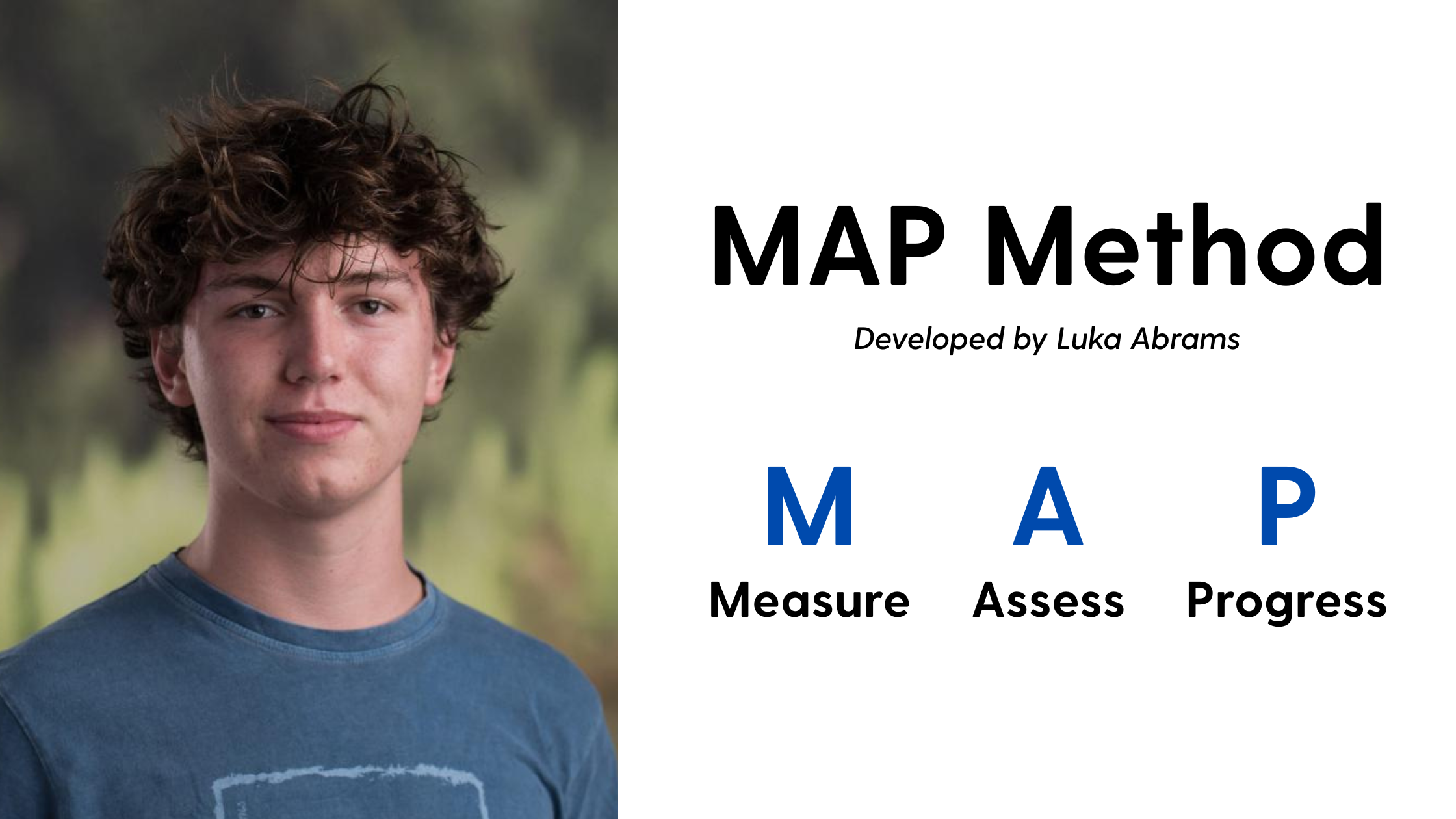
Photo by Luka Abrams
When My Attention Wasn’t Really Mine
For a long time, I didn’t think much about how my phone shaped my day. Like most students, I’d wake up, check my phone, and scroll through social media before even getting out of bed. At first, it didn’t feel like a problem; everyone was doing it. But over time I started to notice how I felt: blank. Sometimes, while staring at my screen, I felt numb behind my eyes and my vision would blur. Next thing I knew, time had flown by, and my math homework was still left untouched on my desk. It wasn't just about the time that I was losing; it was the feeling that my attention wasn’t really my own anymore.
The realization didn’t happen overnight. It built slowly, through small moments of zoning out, opening my phone without remembering why, or noticing how hard it was to just wait for the train without something to fill the space. I started to wonder why it felt so hard to focus, and why I kept reaching for my phone, even when a part of me didn't want to.
What I realized was simple but uncomfortable: I didn’t really understand my own screen habits. I knew I was spending “a lot” of time on my phone, but that didn’t help me change anything. I didn't know why I was using it so much or how I really felt during and after using it. Without that clarity, I felt stuck in the same loop over and over. Scroll, feel worse, scroll, repeat.
It Wasn’t a Phone Problem — It Was a Habit Problem
The more I paid attention to it, the more I realized I wasn’t just dealing with a phone problem, but I was dealing with a habit problem. Around that time, I picked up Atomic Habits by James Clear. It wasn’t even for digital wellness at first, I just saw it recommended on TikTok self-improvement pages (of all places). But as I was reading, one idea hit me immediately: if you want to break a habit, you have to increase the friction between the craving and the action.
For me, the craving was the urge to open TikTok or Instagram without thinking. The action was… well, the same thing that I’d been doing every day: swipe, double-tap, scroll.
So, I tried something small. I swapped the location of TikTok on my home screen with the Apple Books app—the exact same spot my thumb always went to without me even realizing it. At first, it felt silly. But the next time I reached for TikTok on autopilot, my phone opened a book instead. That tiny moment of interruption gave me just enough time to rethink the choice. And sometimes, since the book was already open, I’d just stay and read through epic fantasy adventures, just like I used to as a kid.
Removing TikTok from my home screen turned into offloading it so it had to re-download each time. Eventually, I deleted it entirely. I didn’t realize it then, but I was slowly building layers of friction step by step. The harder it became to open those apps, the easier it became to choose something else: reading, talking to my parents, actually doing my homework. And for the first time in a long time, I found myself actually present in those moments, like taking my dog for a walk without feeling the need to look down at my phone.
When My World Started Feeling Bigger
And the more those moments added up, the more I realized something had shifted. Not perfectly, not instantly. But enough that I could feel something in my brain waking up again, as if I could finally breathe without the constant pull back to my phone.
By the fall of junior year, I had removed every social media app from my phone. And my day-to-day life shifted. My mind felt clearer. My days felt fuller. Even moments that were once an annoyance—waiting for the train, walking between classes—were now something I could enjoy just for what they were. The color of the leaves in the fall, the golden sunset on the train.
Those small changes became the foundation of the MAP Method.
The MAP Method: Measure, Assess, Progress
MAP stands for Measure, Assess, Progress, and it came out of my own trial-and-error, my own addiction, and ultimately my own curiosity. My old self wouldn’t want a rigid digital detox or a monthly subscription app. Old Luka wanted a way to understand himself, and with that understanding, become the person he wanted to be. That's what I want to help other students understand for themselves, too.
But the MAP Method isn’t really about screens, it’s about seeing yourself clearly. When I lead workshops now, I don’t start with the science. I start with moments. The times I chose scrolling over walking my dog. The times students tell me about missing a conversation at dinner or ignoring a sibling calling their name. Because once you see your life clearly—your time, your energy, the people waiting for you to look up—it becomes a lot easier to make intentional choices.
My life feels more vibrant now, not because I’m off social media, but because I’m finally in my life again. If there’s anything I hope you can take from MAP, it’s that same sense of possibility: that your attention is something you can reclaim, that being here—actually here—is something you can choose, and that the world feels a lot more alive when you’re actually there to notice it.
Find out more about Luka’s MAP Method here: pastthescreen.org
Check out JOMO for Schools and start your journey toward mindful tech use today.